A Farrier's Advice for Hoof Care in the Wellington Environment
While Wellington, Florida, is the horse world’s winter escape, the unforgiving subtropical climate poses challenges in horse care, especially for hooves. For “A HorseGrooms’ Guide to Wellington,” we asked farrier Jacquelline Karlsen to explain what first-time grooms in Wellington can expect and should know regarding hoof care while in Florida.
She goes into explains how to think of moisture management, hoof oil hacks, ways to prevent bacteria and the tools needed in your emergency kit. Even if you aren’t traveling to Florida this winter, this article is a must-read to understand hoof health.
Wellington, Florida, is one of the most challenging environments for horses – some will even tell you it is the most challenging environment they have ever been in. It’s hot, humid and constantly raining. Let’s touch base on some basic hoof-care concerns that we see as common issues here.
Moisture management
Horses’ feet will expand and change shape in this environment – that is perfectly normal. Properly moisturizing them will help keep them strong and pliable – a moisturized hoof is a healthy hoof.
It’s important to ensure your horse's feet are dry and clean, but oiling them (after they are dry and clean) can be extremely beneficial. Most hoof oils are safe for the entire hoof — hoof wall, sole, frog, etc. If you buy something already made-up, just be sure to check the label.
Absorbing moisture
When horses come to Wellington from dry climates, their feet are quick to absorb moisture. Often, they absorb water from the paddocks or even the ring, and with that water comes bacteria. As a preventative action, oiling the hoof and supplying that moisture usually deters it from absorbing much else.
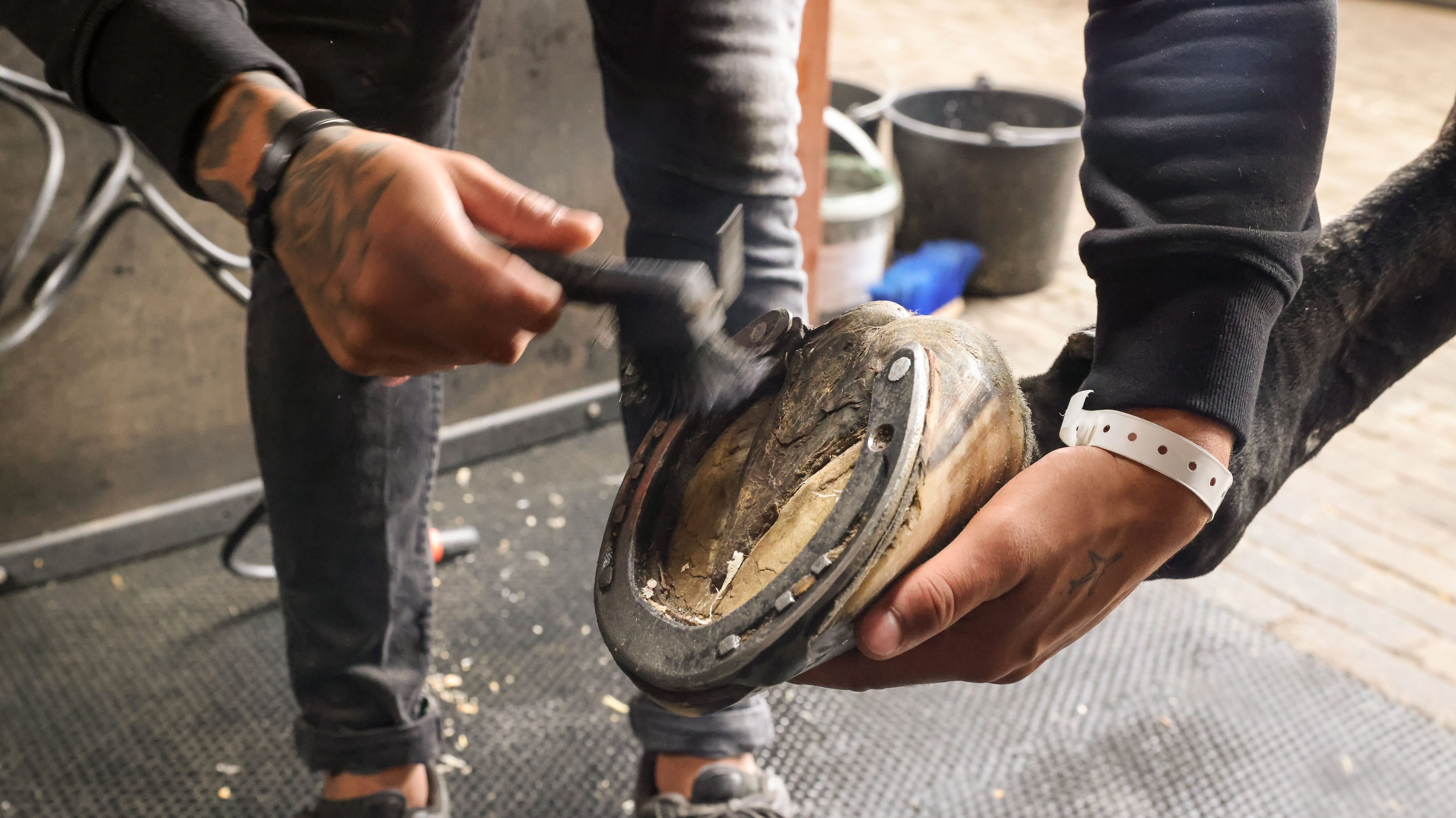
Think of your horse’s hoof care as a skincare routine.
Differences between moisturizers
There is a difference between an emollient moisturizer (like squalane, olive or jojoba oil) and an occlusive moisturizer (like petroleum, mineral oil and lanolin). When it comes to hoof oils, I am looking for a little bit of both.
Emollients simultaneously nourish and moisturize the hoof.
Occlusive moisturizers protect what they cover, seal in moisture, and help repel unwanted bacteria and microbes from outside sources (like the paddock). However, if used alone, they can also trap bacteria, which leaves the hoof worse off. They are sometimes not the best choice for down here in Wellington if that is the only product you are using. An example of an occlusive moisturizer would be Effol.
Skin Care Routine
The best example I can think of in relation to us is a skincare routine. Sometimes when using a treatment, let's say a vitamin C serum, you may apply another product on top of that to “lock” in the serum – let's say Vaseline to keep it simple. The Vaseline would be the occlusive moisturizer. In this case, it’s very beneficial as it’s “locking in” the vitamin C serum. However, if there was even a small amount of dirt or bacteria on your face and you applied this product, it would lock in that dirt or bacteria. So, using an occlusive moisturizer individually may not be the best idea in this swamp-like environment. However, when used in tandem with another treatment, it can be very beneficial.
Hoof Oils and Oil-Based Balms & Creams
There are a few hoof oils, or oil-based balms or creams, I find myself recommending to clients that have been proven over time. My personal preference is Ymir – Rebuild. It is an oil-based balm that is infused with many Ayurvedic plants that are antibacterial, antimicrobial, antifungal and anti-inflammatory. The special thing about this balm is that many of the plants used are native to Florida – it is made specifically to combat the bacteria and fungi found in the soil here. However, this is a local product that is made in small batches. It’s my product, actually, and there is a waiting list.
Olive Oil
The tried and true – if you were to ask what hoof dressing I use after shoeing a horse, the answer is organic, extra virgin, cold-pressed olive oil. I buy it by the gallon at Whole Foods. I do 2 parts of that and 1 part castor oil. This is my favorite, bare-bones, basic hoof oil. Castor oil is said to help reduce inflammation and have antibacterial and antimicrobial properties. I love using this mixture as a hoof dressing. It also looks really nice and gives that “show ring shine.” It can be used on the entirety of the hoof, top and underside, as well as the coronary band. This is an example of both of the moisturizers mentioned used in tandem.
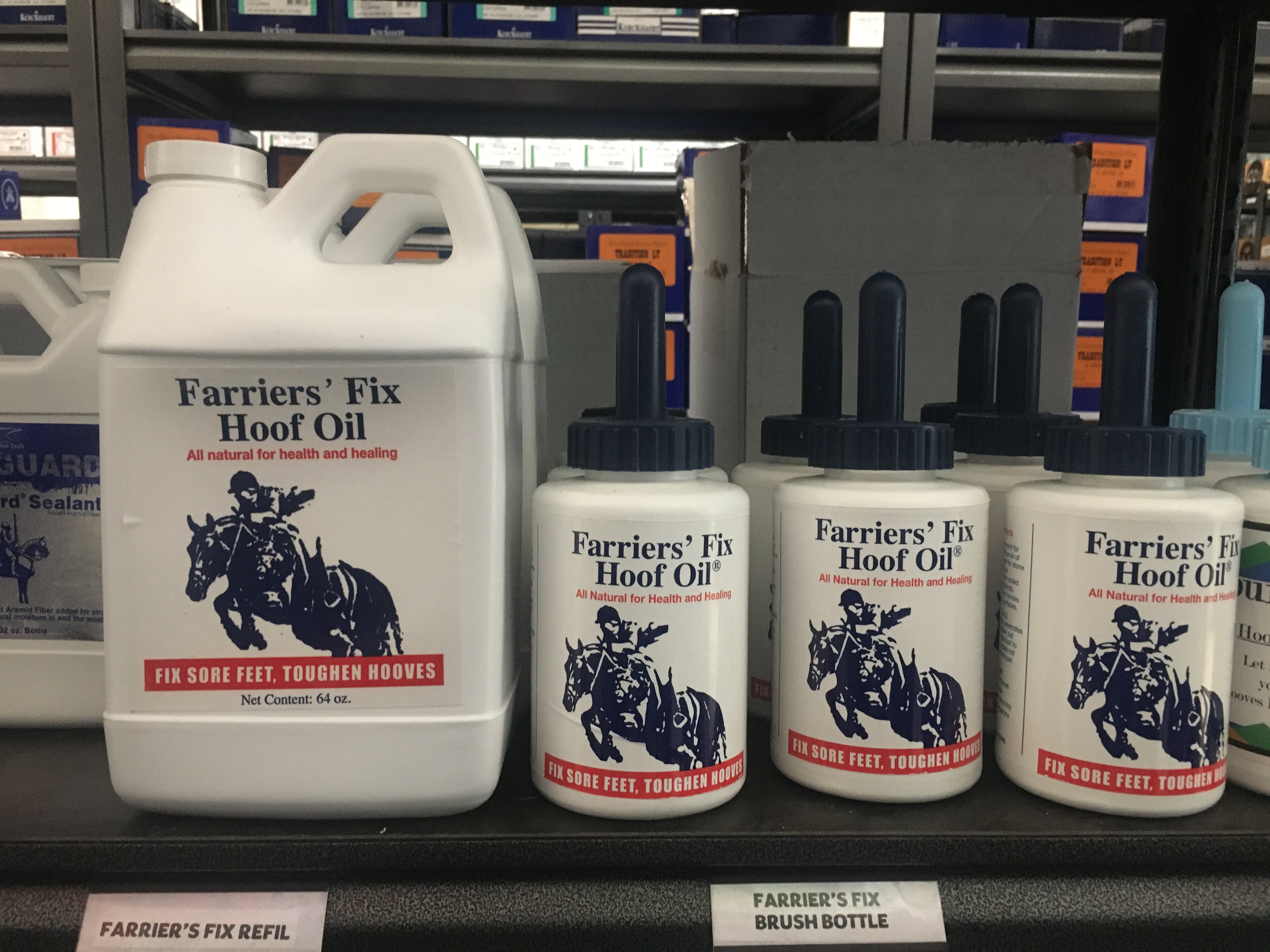
Farriers’ Fix Hoof Oil is Jacqueline Karlsen’s go-to over-the-counter hoof oil.
Basic Hoof Oils
As far as your basic, over-the-counter hoof oils, I’m a big fan of Farriers’ Fix Hoof Oil. It is very old school but tends to do a beautiful job. I have yet to meet a farrier who was not happy with this oil. There is Venice turpentine in the product, which also helps toughen up the hoof.
Bacteria/Fungus/Thrush/Etc.
Preventative care is always a better option than treating a problem, especially in Florida. Using a gentle antifungal/antibacterial product on your horses’ hooves is always a good idea. If you’d like to use something like Thrush Off every once in a while to make sure everything continues to go smoothly, that would be wonderful.
Hydrogen Peroxide
A simple spritz from a spray bottle of hydrogen peroxide when coming in from a particularly muddy paddock is also good – especially on the sole and frogs of the hoof. It's always better to be safe than sorry.
Feet Packing
My favorite? I like Hawthorne Sole Pack to pack their feet every so often. I prefer to use the gentle stuff as a preventative rather than have to resort to the big guns that tend to be caustic. What I mean by that is many of the more aggressive treatments do kill the bacteria found in the hoof, but they do not discriminate from the rest of the hoof and can sometimes irritate sensitive, healthy tissue as well. I would much rather use a gentle preventative treatment than have to put them through anything that may be unpleasant down the road.
Shoe Emergencies
Ask your farrier to teach you how to pull a shoe. Then ask them if they have a preference on how you wrap the foot in case a horse loses a shoe. Always wrap the hoof, even if they are staying in their stall. If you always have a coffee for them when they come to tack on a shoe, they’ll probably answer the phone more often.
Arnie Gervasio likes 100 Grand bars – just putting that out there. If you can’t find a farrier, they all hang out at the bagel shop in the JoJo’s plaza.
Emergency Tool Kit
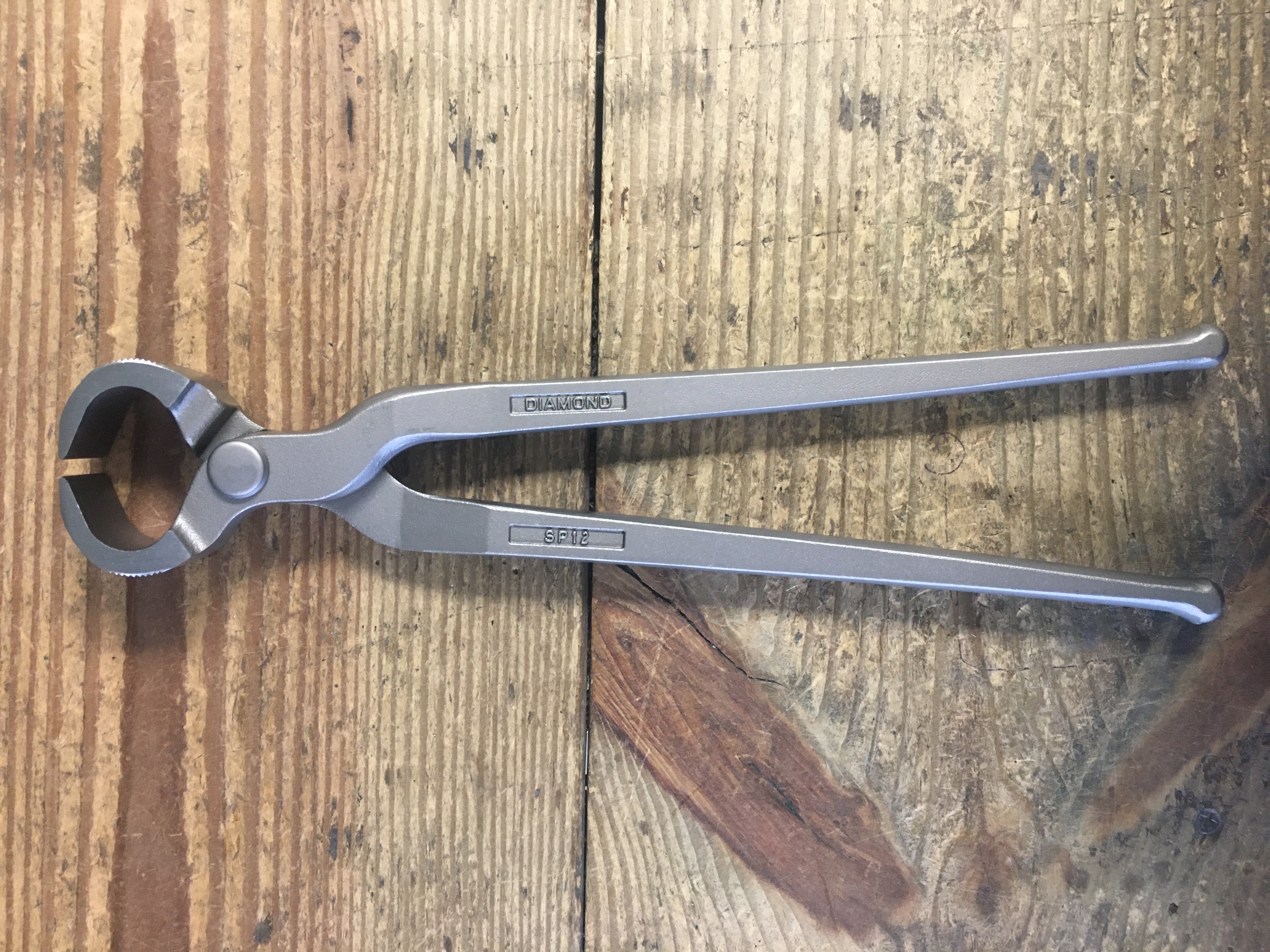
Let's go over a few tools (some photos at the end of the article for reference) that every groom should have in their emergency kit for special hoof emergencies:
Nail puller
Shoe puller
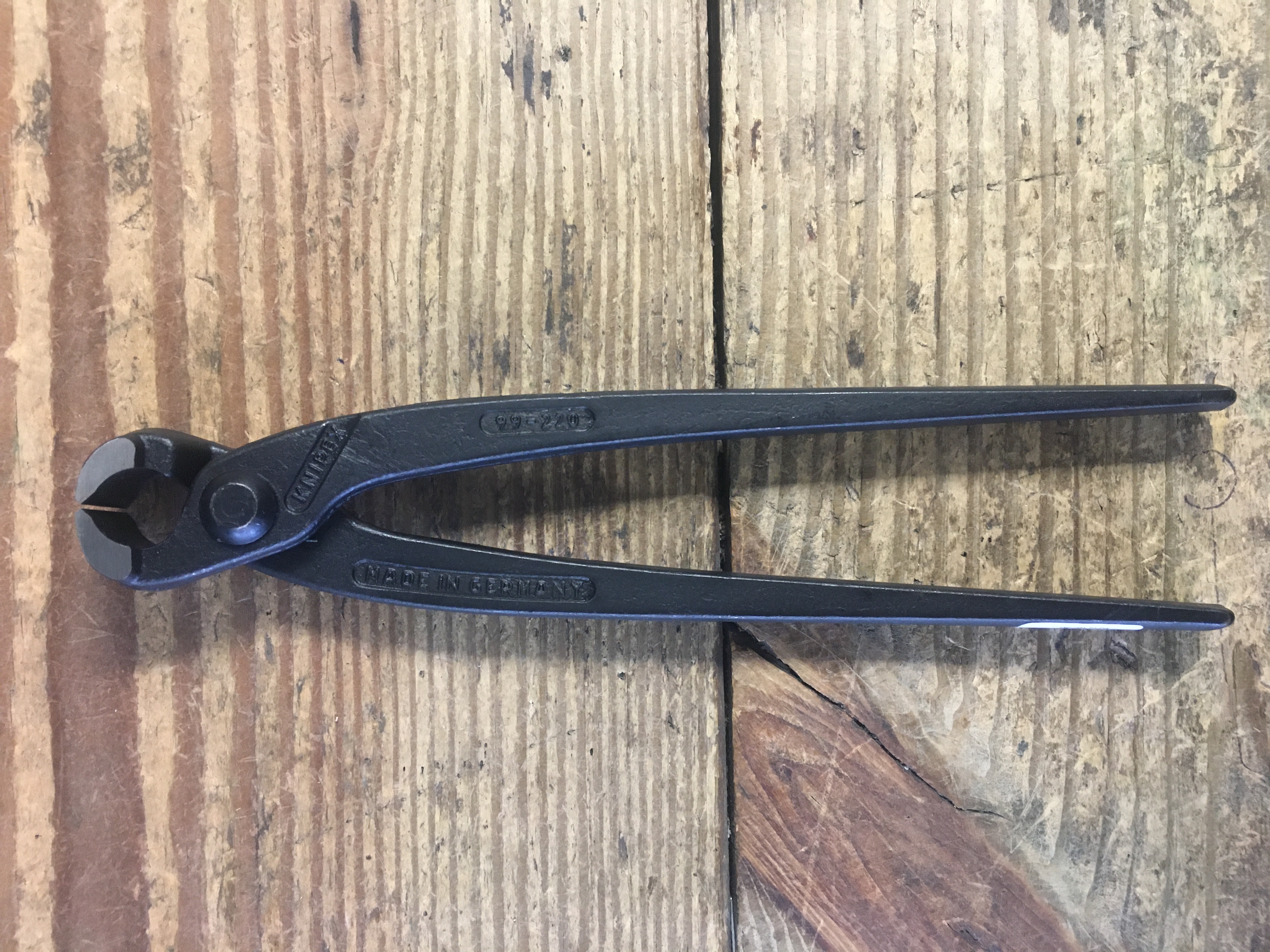
Nail cutter
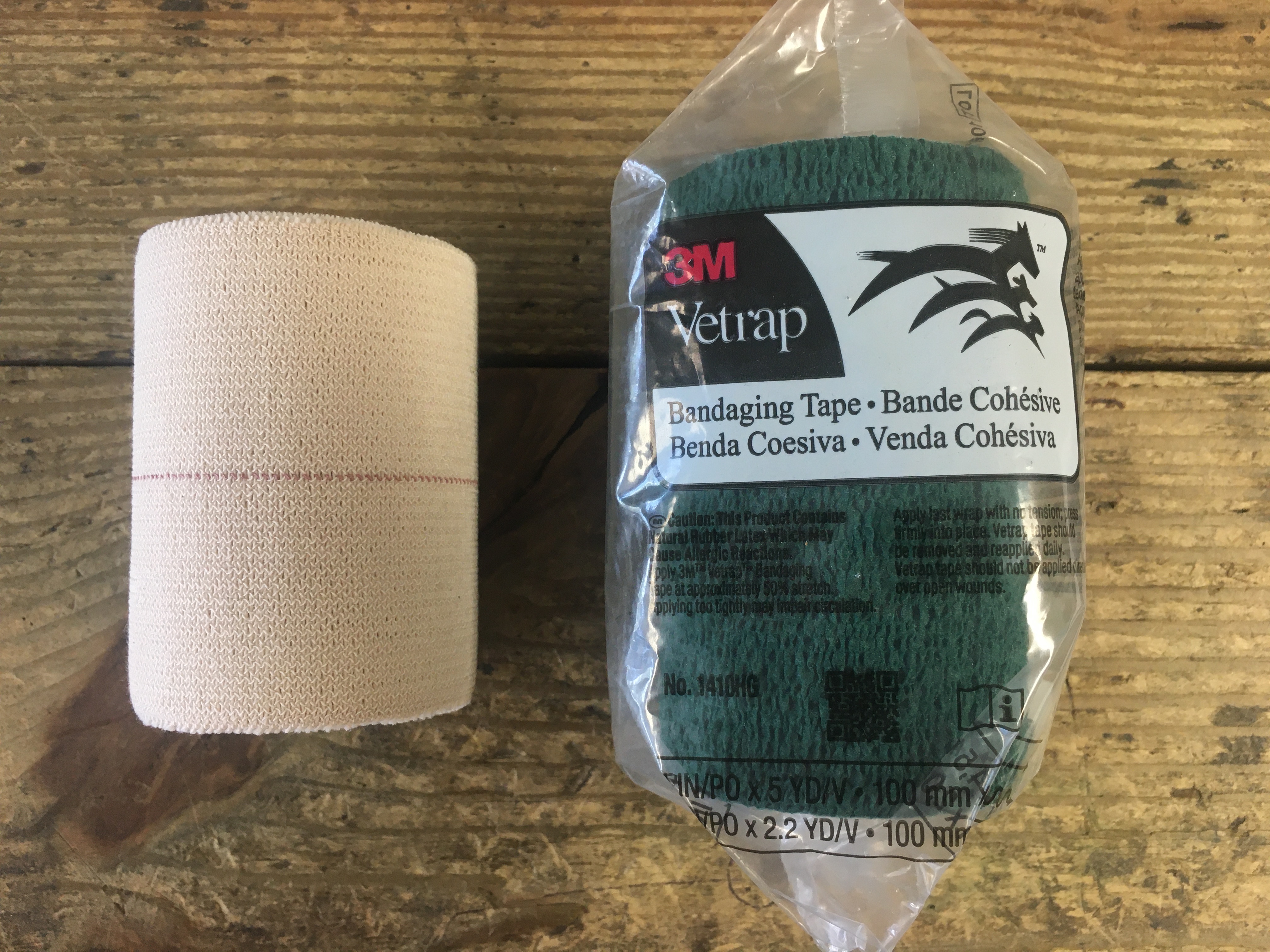
Vet wrap
Elasticon
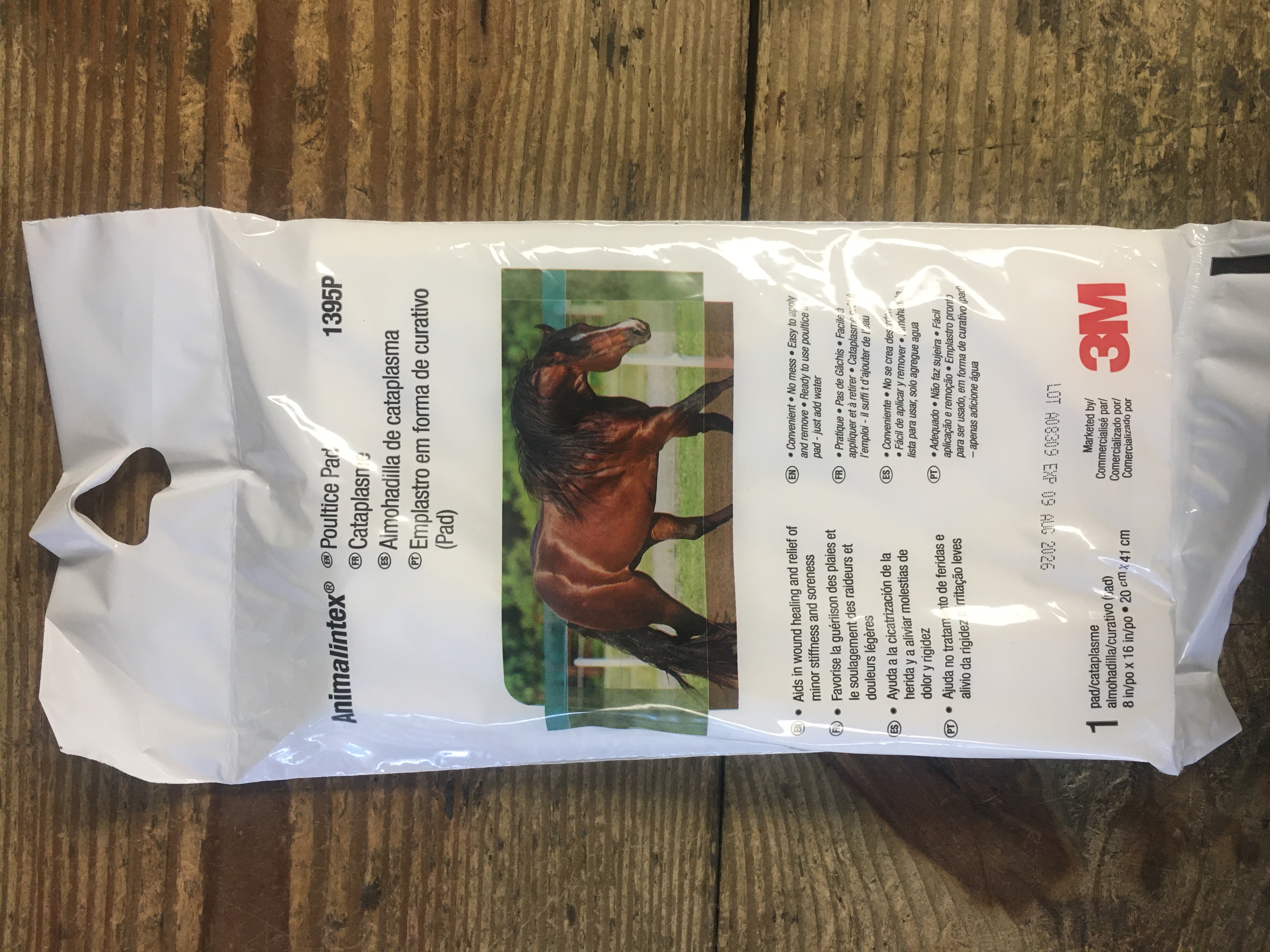
Animalintex
Magnapaste
There will be a clinic at a HorseGrooms Event later this season on how to use all of these things in case of emergency.
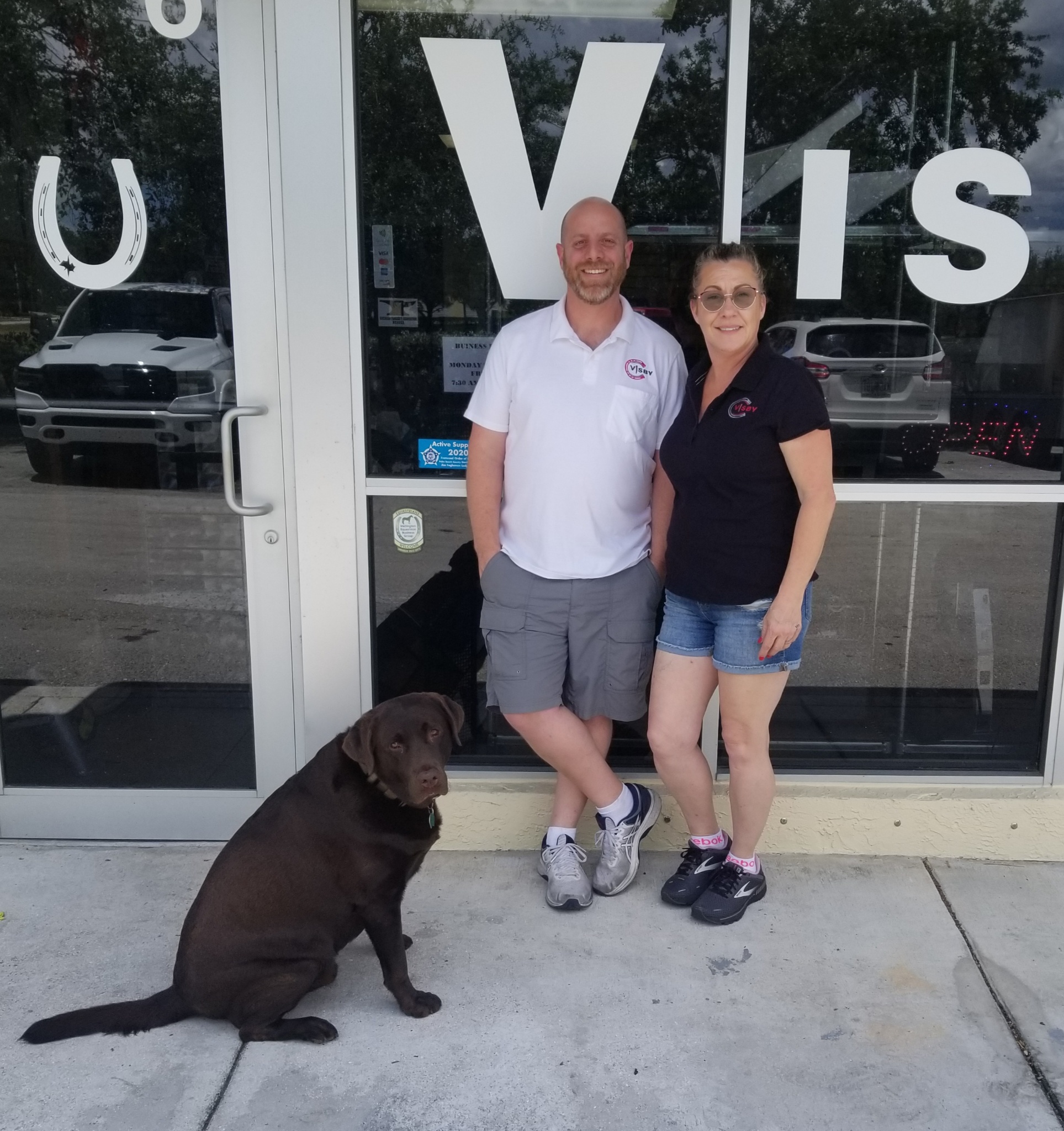
Jeff, Diane and Morpheus will help you at Visby to get all the supplies you need.
How to Get Tools
Your farrier very well may have some old tools they’d be happy to pass on, though I’d like it to be said that the good people over at Visby Farrier Supply (the plaza behind Dover) open at 7a.m. on most days during season and are happy to help grooms with anything they need. They also have a discount for first time customers. You can go low-end on almost all of these except the nail pullers – it’s incredibly difficult to pull out nails with a sub-par pair – you don’t want to be struggling with that if your horse is standing on a clip.
You’ve got this.
Featured photo courtesy of Arnd.nl.
Animalintex:
Elastikon vet wrap:
Nail cutter:
Nail puller:
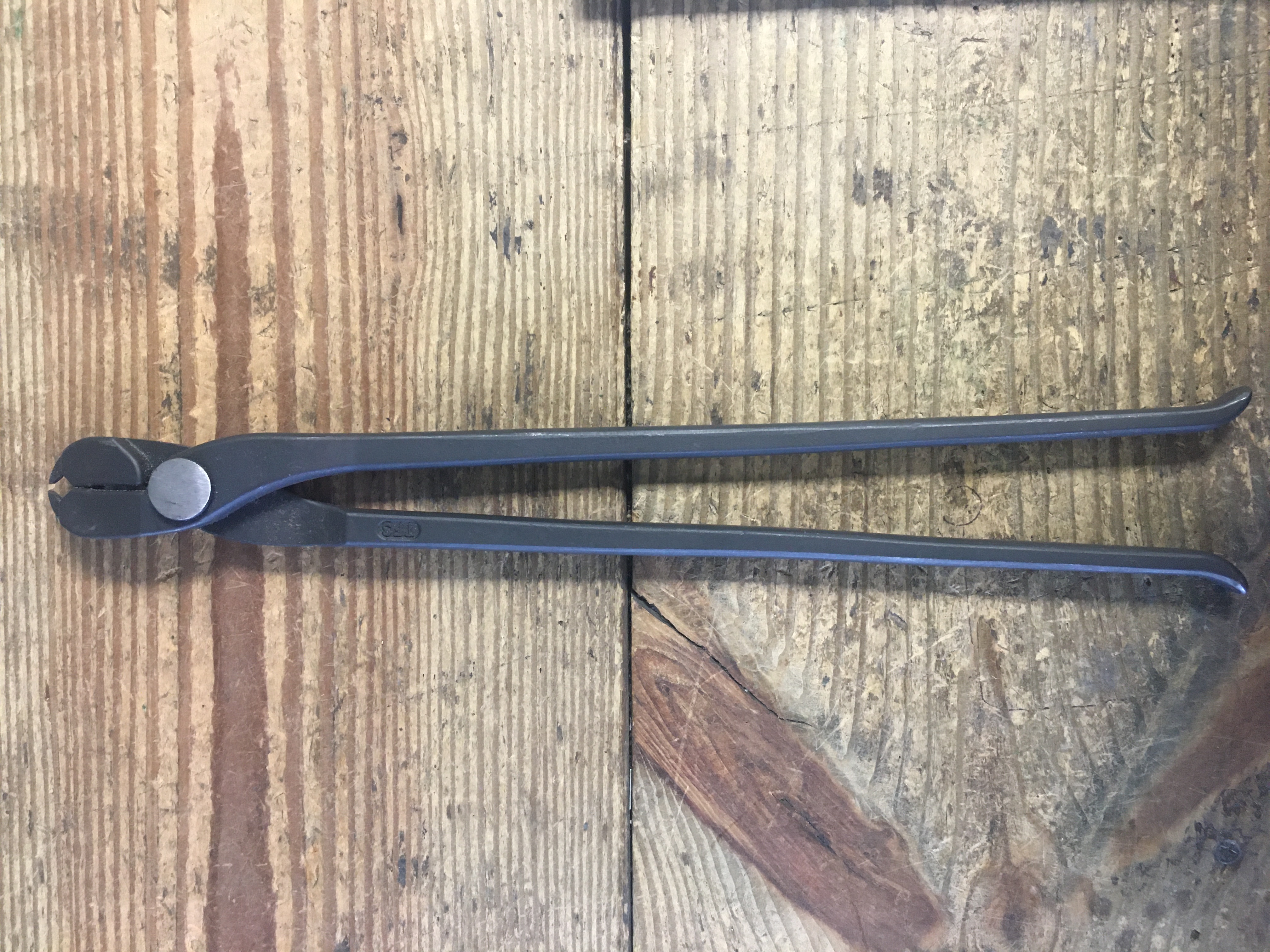
Shoe puller: